I wanted my daughters to have a better place to play than ad-supported games and Roblox. So I built them one. AI didn’t make game development effortless. It made experimenting affordable.
When Meet Steve wound down, I lost more than a product. I lost the only creative outlet I’d allowed myself over the past two years. More than anything, I missed the rhythm of building. Shipping features, hearing from users, iterating, pushing a new build to the App Store, and patiently awaiting the mysterious cabal of app reviewers to determine the fate of my latest creation.
I tried a few small fintech-adjacent ideas, but nothing stuck. Around the same time, I got into 3D printing and found some degree of satisfaction in creating physical objects. The catch is that once a design is shipped to the printer, there’s not much to do except wait, sometimes hours or even days before I can see the result and make adjustments. Of course, I could always speed things up by buying more printers. Two printers in, I’m already preparing the case for a third.
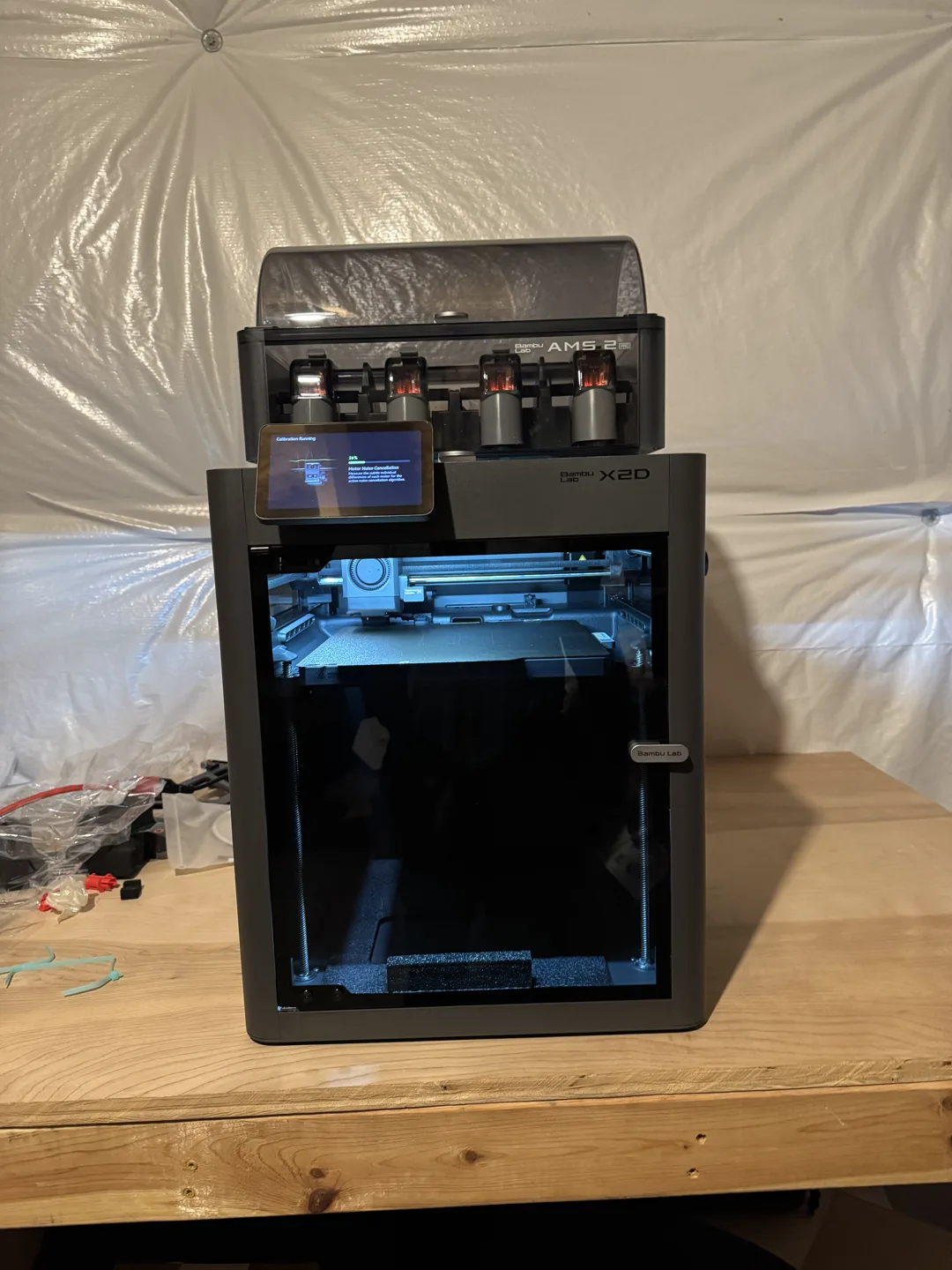
The Bambu Lab X2D, and a box that makes a pretty compelling case for a third.
While lamenting my creative predicament to a close friend, he suggested I pick up gaming. The trouble was, I’d never been much of an action or platform gamer. I preferred the classic Sierra On-Line adventures I grew up with, like Police Quest, Space Quest, and King’s Quest. Gloriously pixelated worlds, weird logic, dead ends, and the joy of typing commands like USE BUTTER ON ROPE just to see what would happen.
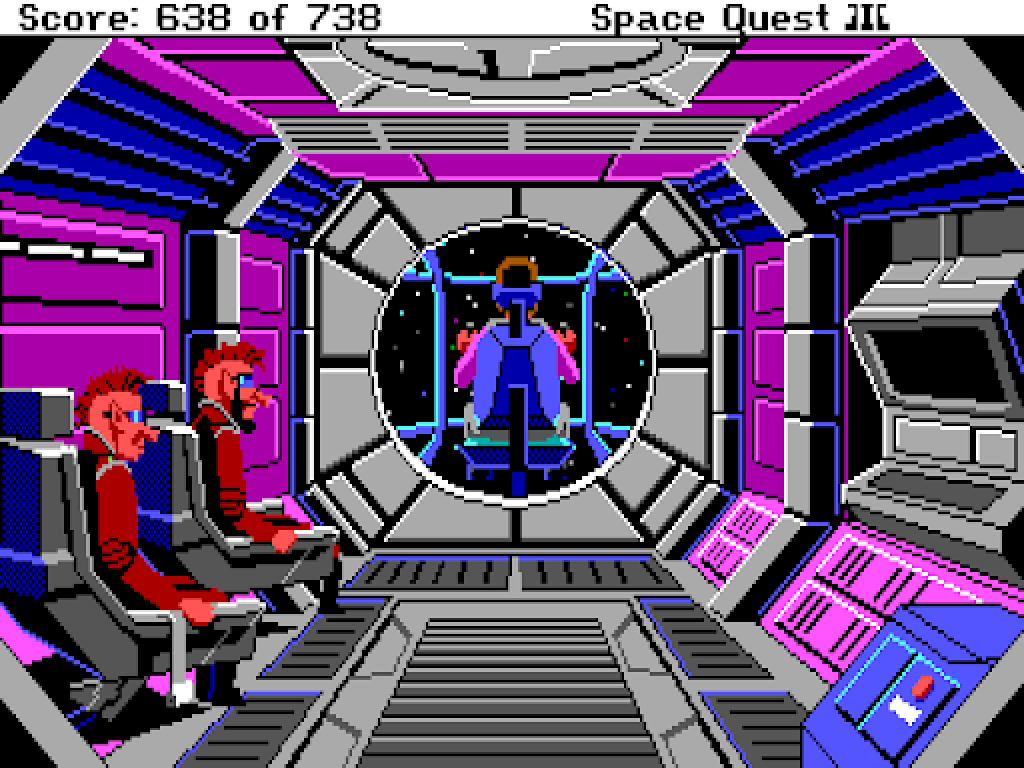
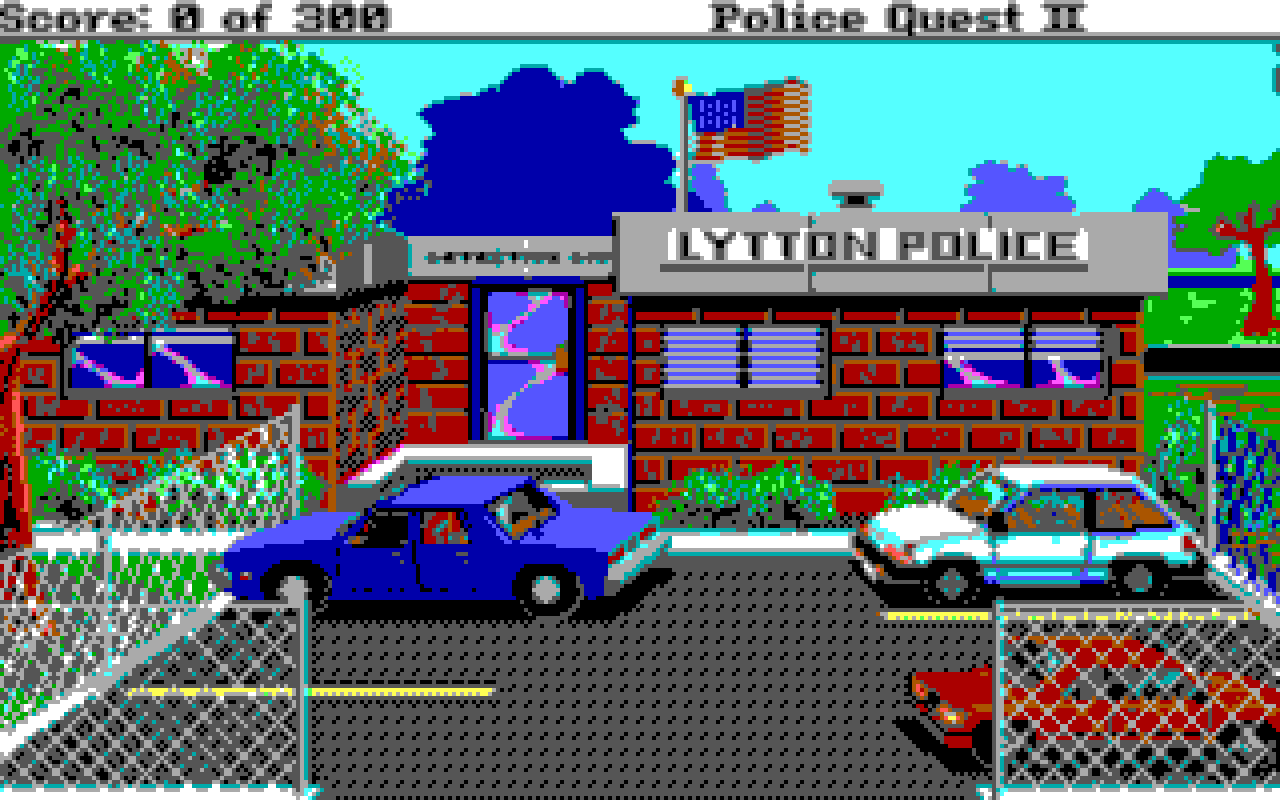
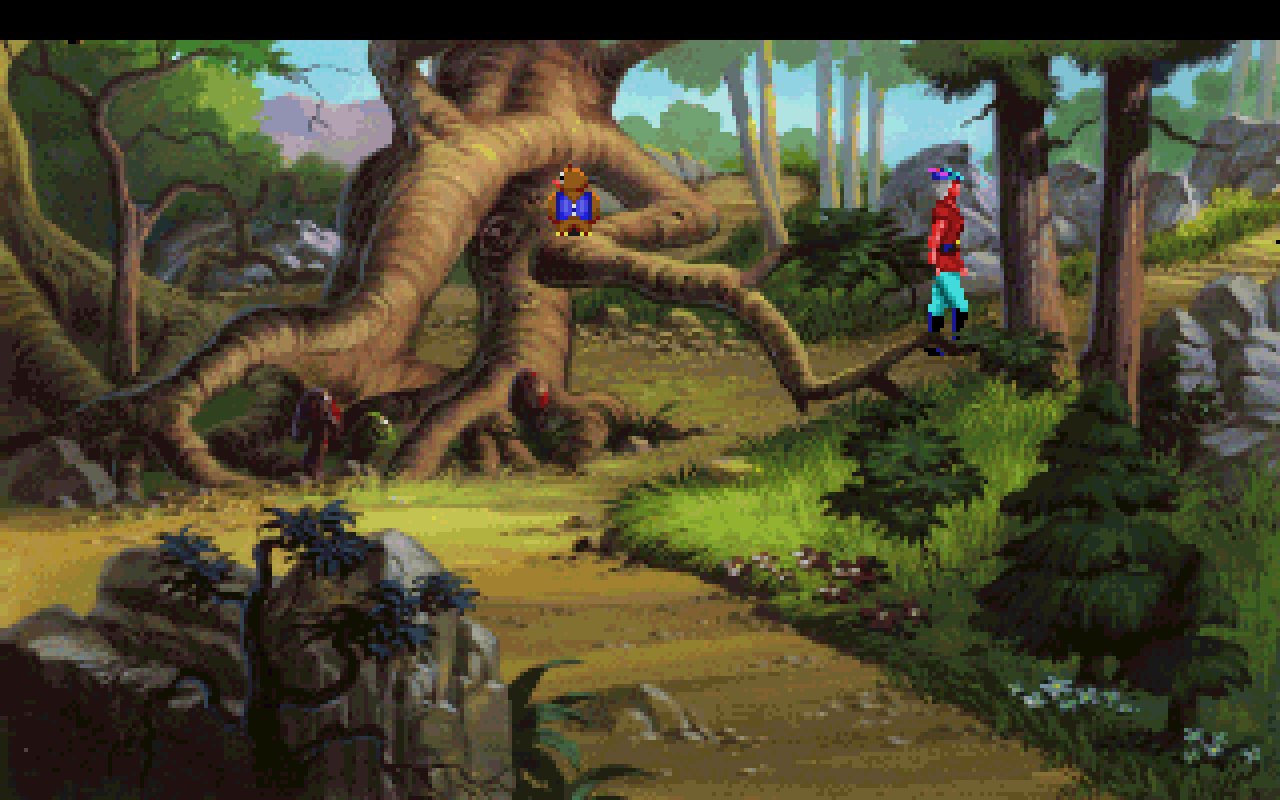
Space Quest III: The Pirates of Pestulon, Police Quest II: The Vengeance, and King’s Quest V: Absence Makes the Heart Go Yonder! Gloriously pixelated, as promised. (Screenshots via DOS Days and LaunchBox.)
What I loved about those games was how much of their creators found their way into them. Jim Walls drew on his experience as a police officer to shape the early Police Quest games. Scott Murphy and Mark Crowe brought their wonderfully warped sense of humor to Space Quest, giving us the hapless Roger Wilco, the villainous Sludge Vohaul, and a universe that rarely took itself seriously. Roberta Williams’s love of storytelling and fantasy helped bring the worlds of King’s Quest to life in vivid detail. These games had a certain rhythm to them, combining serious problem-solving with a little mischief thrown in. They had a clear beginning and an end, yet you could replay them countless times, discovering tiny details and Easter eggs you’d missed along the way.
The Mobile Gaming Dilemma
This past summer, I made a mistake. I allowed my daughters to start playing Roblox in the evenings after camp. I was marginally aware of the controversies surrounding the platform, but figured strict parental controls would provide a safe environment for them to explore. I was wrong.
In all fairness, there are things I love about Roblox, particularly the open worlds where my daughters could explore together, collaborate, and make up their own adventures. They weren’t particularly interested in completing objectives or progressing through levels. They just wanted to see what they could discover together. But the games seemed to leave them overstimulated, and winding down afterward became increasingly difficult.
The problem extended beyond Roblox. The girls had a handful of other games on their iPads, many of which were supported by advertising. As a casual gamer, I’ve occasionally found myself sucked into those playable ads, downloading a game only to discover that the actual experience bore little resemblance to what was advertised, often with a paywall waiting for me. For the girls, however, every playable ad seemed to introduce some wonderful new game they absolutely had to have, inevitably followed by another request for permission to download it. Before long, my wife and I had become our own little App Store review committee, rejecting one questionable game after another. For the first time, I found myself sympathizing with that mysterious cabal of App Store reviewers.
I started looking more closely at the games themselves. Many Roblox experiences are imaginative, but plenty also rely on virtual currencies, in-game purchases, randomized rewards (loot crates), and mechanics that encourage repeated engagement. In “They’re Scamming Me”, a 2025 CHI study, Australian children described game monetization less as overspending and more as feeling misled. And in August 2026, Australia’s eSafety Commissioner secured a court-enforceable undertaking from Roblox to stop adults from contacting children they don’t know. The more I learned, the more I wondered what exactly I’d opened the door to.
My daughters hadn’t necessarily encountered the problems described in the research, but I was becoming increasingly uncomfortable with two things. The first was safety. I didn’t want strangers communicating with my children or inappropriate content slipping through moderation. The second was the experience itself. I could restrict purchases, manage communication, and limit screen time, but that didn’t change how the games were designed or how my daughters responded to them.
I’m not opposed to my kids playing video games. Quite the opposite. I want them to experience the joy I had growing up, exploring imaginary worlds, solving interesting puzzles, discovering little surprises, and feeling that sense of accomplishment when the credits finally roll. I also want them to keep the collaborative exploration they love about Roblox. I just wasn’t a fan of everything else that came along with it.
A World of Their Own
One thing that caught my attention while watching the girls play was how much they gravitated toward open-world games. Whether it was Roblox or one of the many Minecraft-like games they’d discovered, they weren’t particularly interested in completing objectives or following a storyline. They just wanted to explore, interact with whatever caught their attention, and make up their own adventures along the way.
My daughters weren’t the only ones into open-world games. Back in 2025, I’d developed something of an obsession with Sneaky Sasquatch on Apple Arcade. What started as casual gaming turned into far too many late nights exploring its wonderfully quirky world, taking on odd jobs, and getting into all sorts of mischief. I was so hooked that I even bought myself a Nimbus+ controller just to play it.
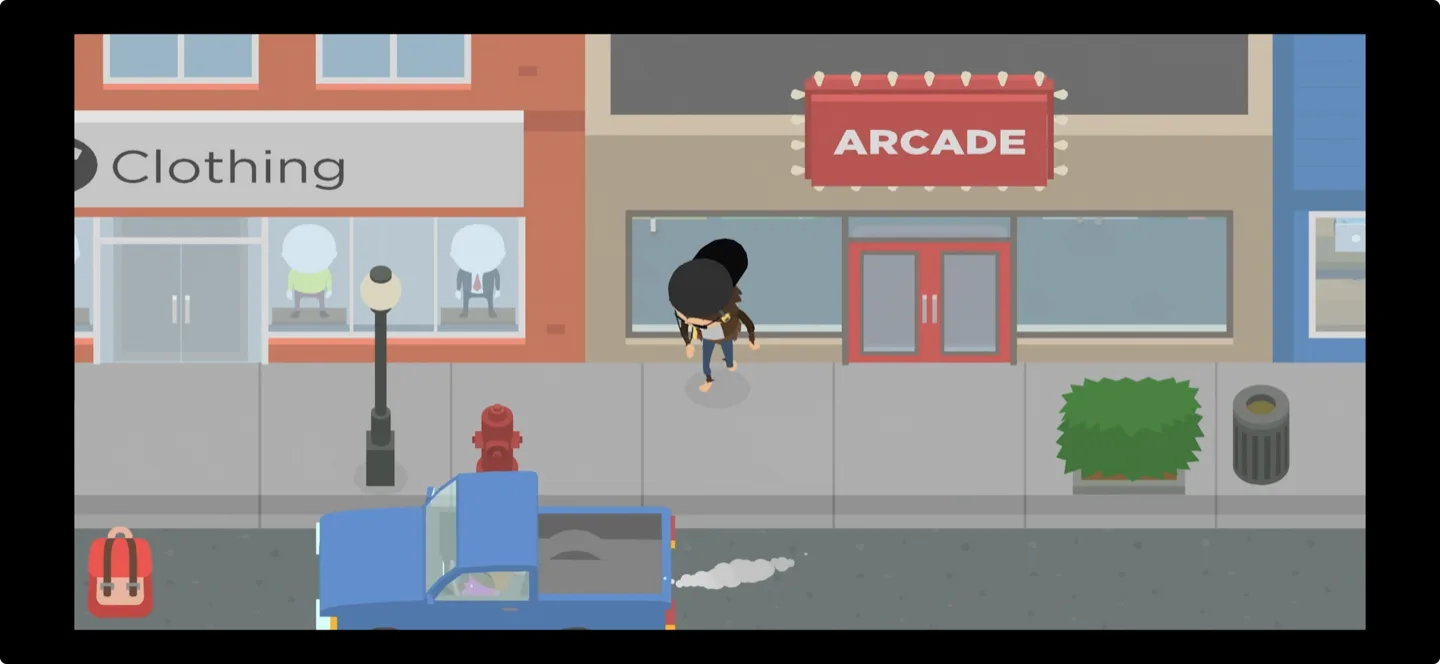
Sneaky Sasquatch on Apple Arcade, where far too many of my late nights went.
Something about Sneaky Sasquatch gave me this sense of nostalgia and got me thinking about the Sierra adventures I’d grown up with. What would Space Quest have looked like if Roger Wilco could freely explore an entire universe, stumbling into trouble wherever he went? Or if Sonny Bonds could wander around Lytton, solving crimes and interacting with its inhabitants without being confined to a predetermined sequence of events? I started imagining something that combined the puzzles, storytelling, and mischief of those old adventures with the freedom and collaborative exploration my daughters enjoyed. A world they could explore together, filled with interesting characters, problems to solve, and smaller adventures that actually had endings.
Of course, if I was going to build something like this for the girls, I wanted to establish a few ground rules. No intrusive advertising, in-game purchases, loot boxes, or reward systems designed to keep them coming back. And no strangers. Rather than relying on parental controls, multiplayer would only work over our home Wi-Fi network, without public matchmaking, external players, or remote game servers. I wanted the boundaries to be part of the game’s design rather than something my wife and I would have to continually manage.
The idea was appealing, but could I actually pull it off? I’d spent decades developing software and understood many of the underlying technical concepts, but knew very little about building 3D worlds, modeling and animating characters, or developing game mechanics. Learning all of that would ordinarily take months, perhaps years, and between my career, family, and everything else competing for my time, I simply didn’t have the energy for it. But generative AI was beginning to change what was practical. I was seeing increasingly impressive results from developers using AI coding tools with game engines and 3D modeling software, and I couldn’t help wondering how much of that learning curve I could bypass. I wasn’t expecting AI to make me a game developer overnight, but perhaps it could make experimenting affordable enough to be practical. I decided to find out.
Back to the Laboratory
My first experiment was a small conversational game called Kinesse, originally titled First Impressions. It centered on interactions between characters and the choices players made during conversations. No elaborate 3D environments or complicated mechanics.
Instead, I focused on the little things that make an experience enjoyable. A distinctive lo-fi soundtrack, subtle haptic feedback, expressive characters, and interactions that felt satisfying.
Get Kinesse on the App Store (opens in a new tab)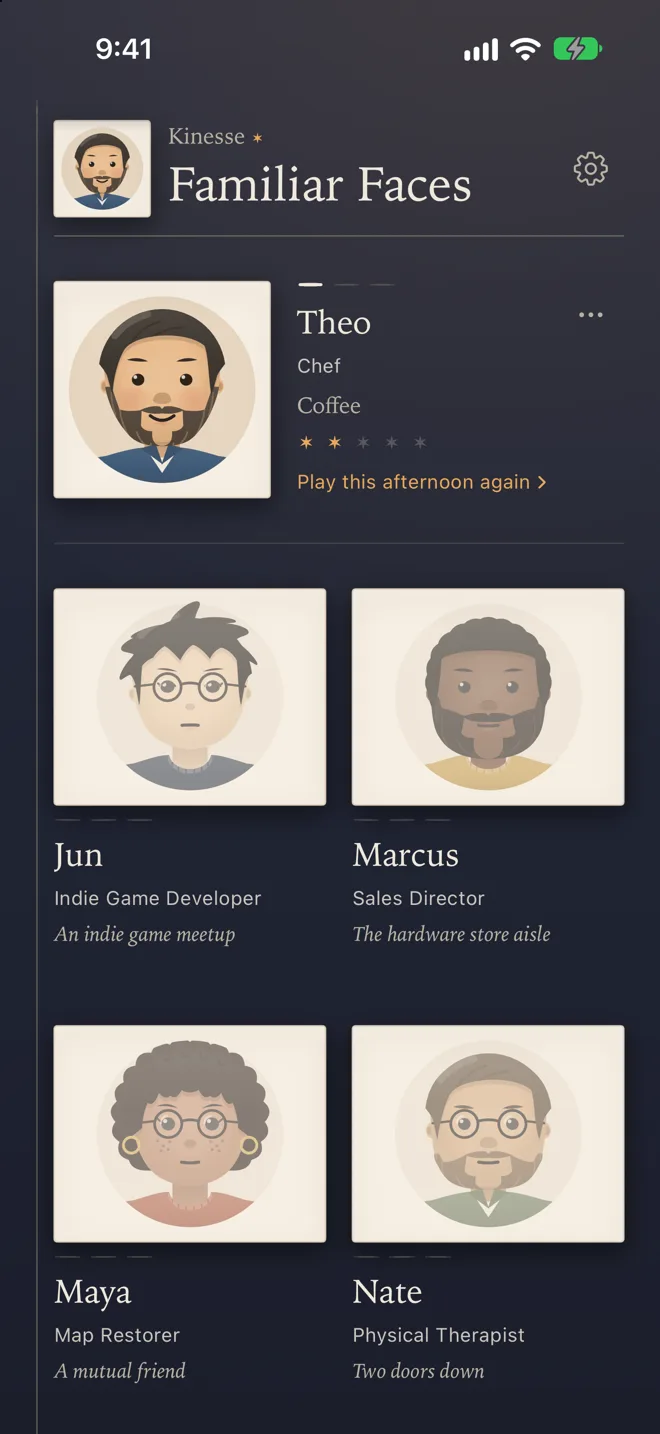
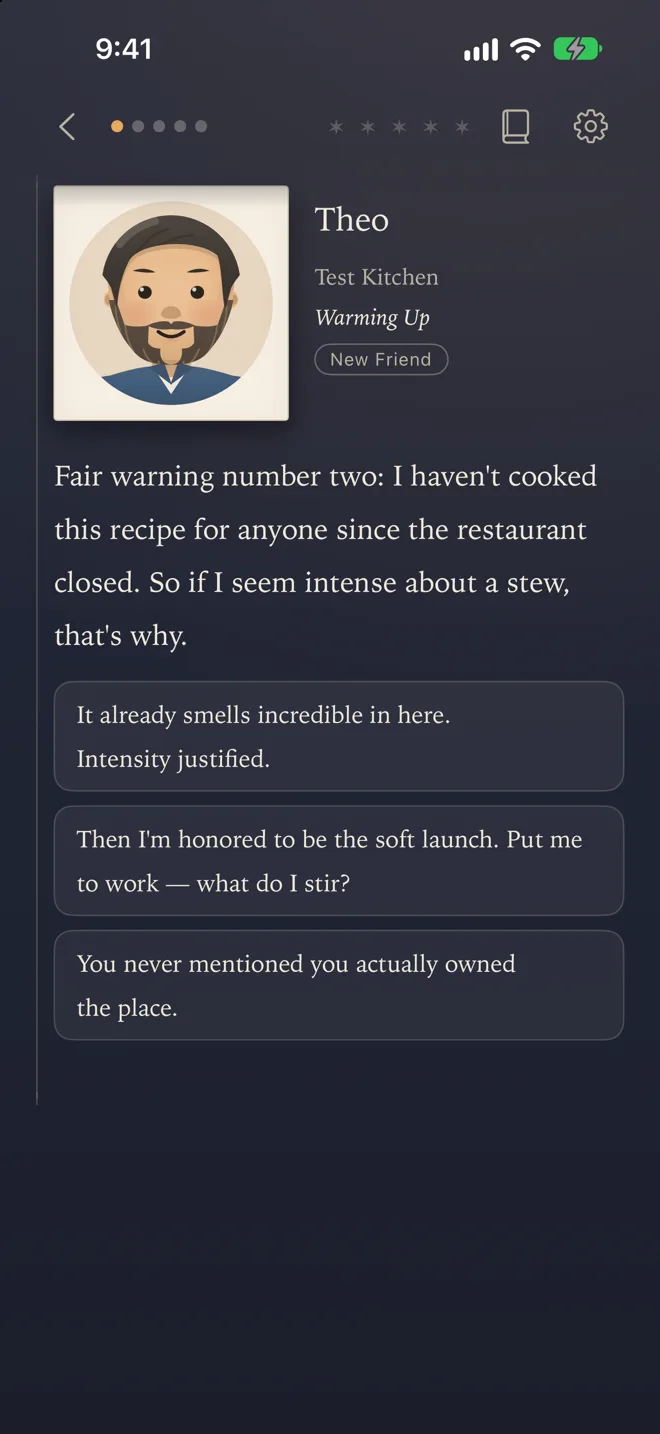
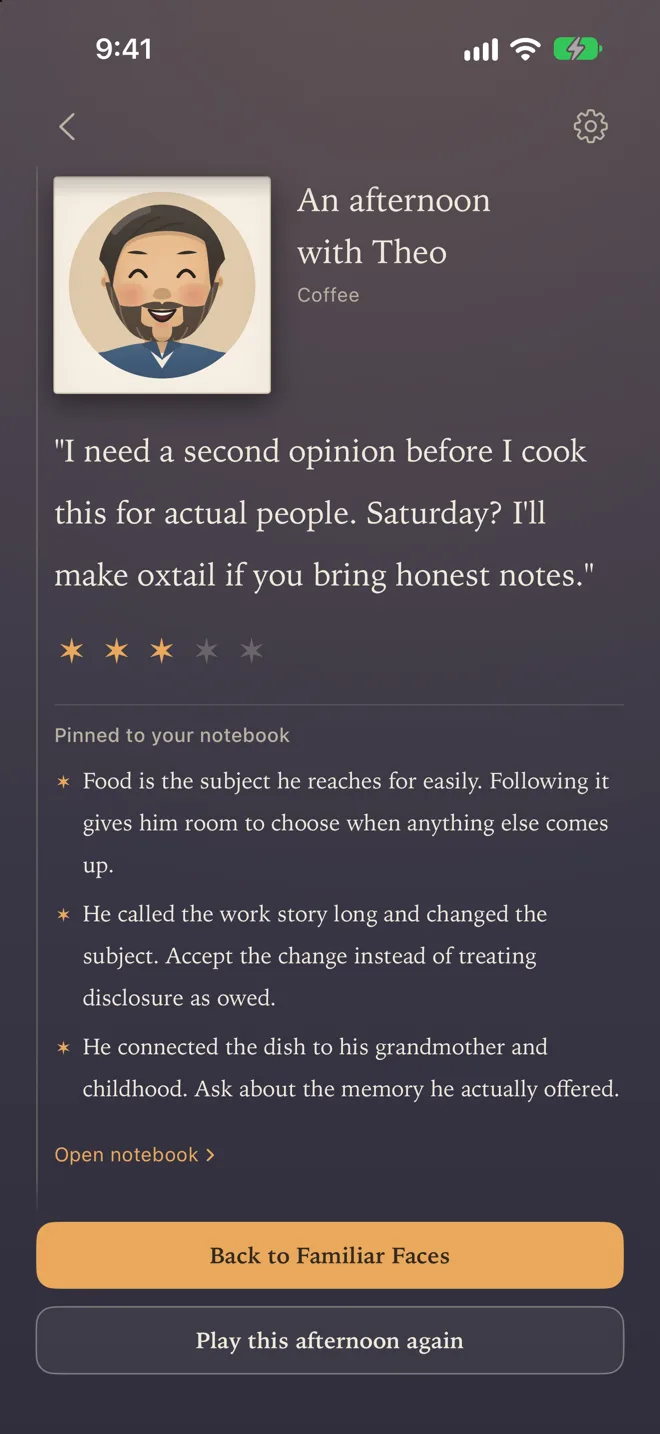
Kinesse, left to right: familiar faces, a conversation in progress, and the debrief afterward.
I found myself paying attention to things I hadn’t traditionally focused on when building business software. How does an interaction feel? Can a tiny vibration make something more delightful? Can a soundtrack change the atmosphere?
Around the same time, developers were starting to experiment with AI-assisted 3D game development. Pieter Levels had helped popularize the idea of building and monetizing an independent flight simulator, and suddenly it seemed like everyone was making one. I decided to try it myself, and that experiment became Flight Journeys. What surprised me was how well Claude could use Blender to generate complex-looking aircraft, complete with detailed interiors and exteriors. Unity provided the physics foundation, and I gradually added flight behavior, weather, and terrain until I had something that felt surprisingly believable.
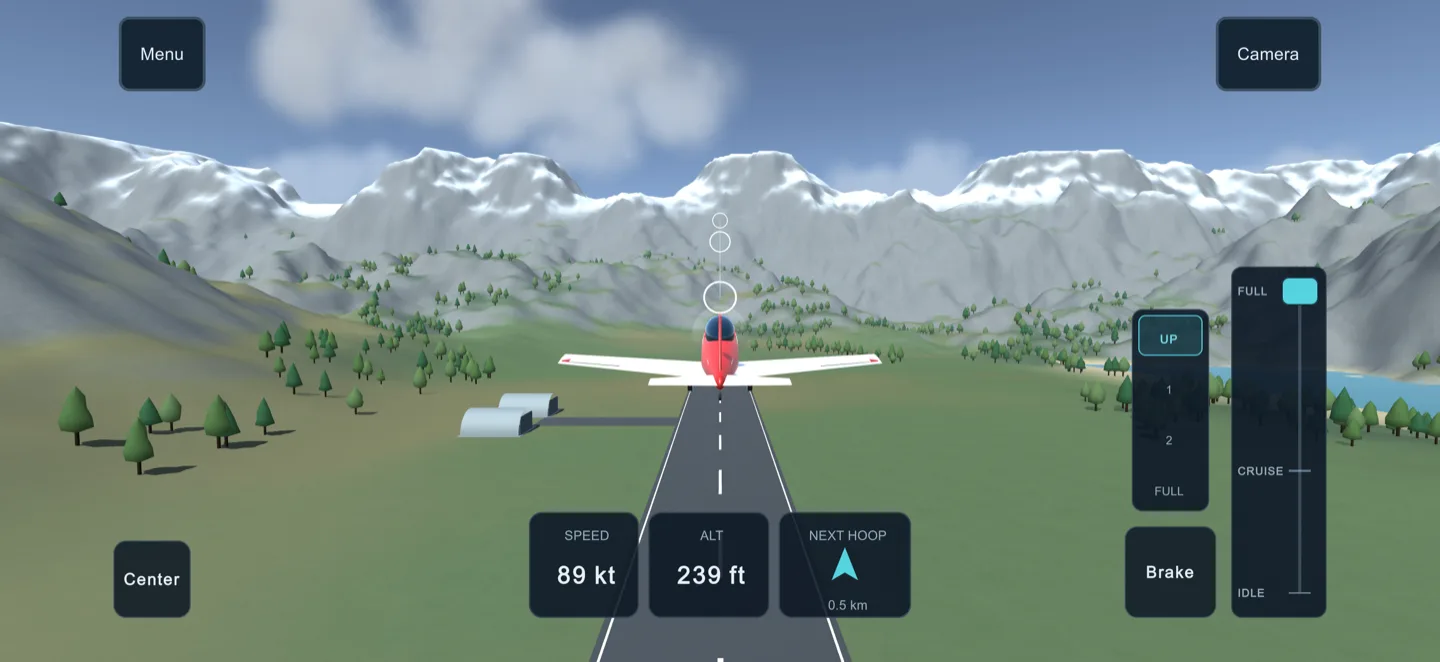
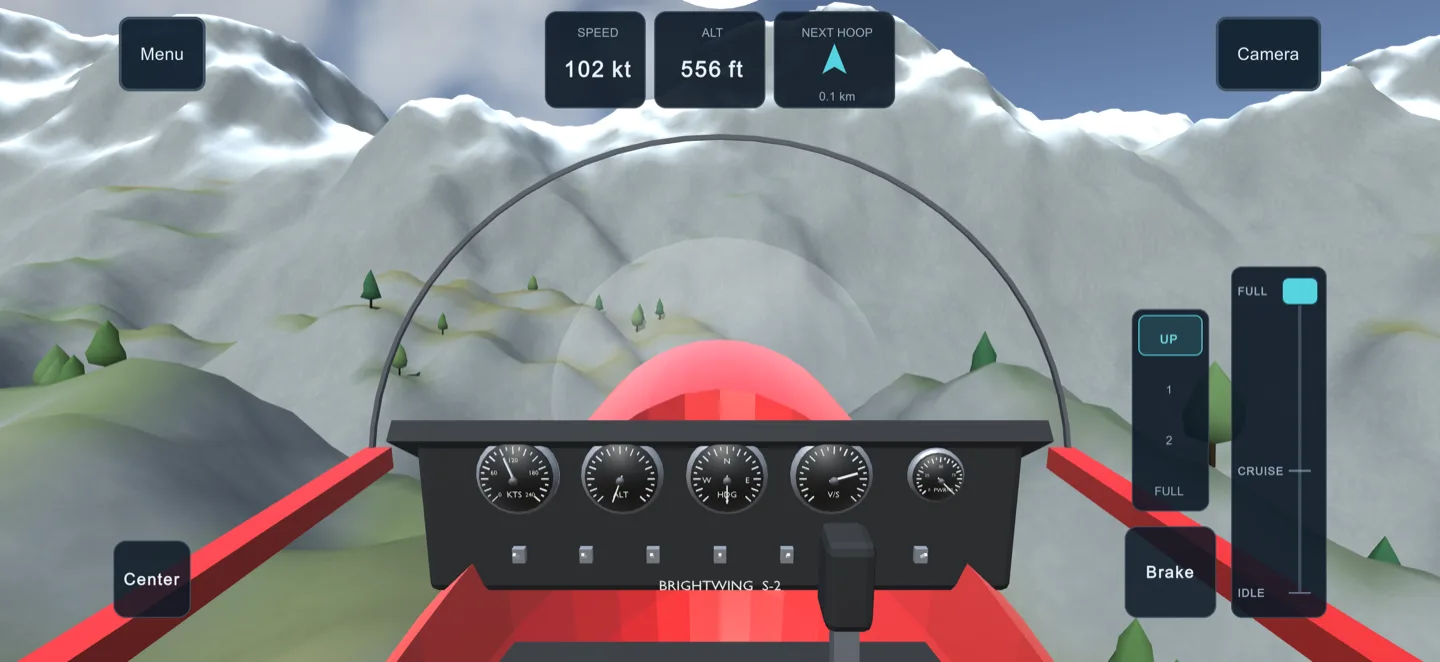
Flight Journeys on iPhone: climbing out of the valley, and the view from the cockpit.
Rather than modeling everything by hand, I used Python scripts to generate the assets in Blender, while Unity handled gameplay and interactions. That separation also allowed me to experiment with different AI models. Codex turned out to be somewhat better than Claude at polishing the visual details, and because the models were generated independently of the gameplay, I could use Codex to refine an aircraft or a landscape without rewriting how anything behaved in flight.
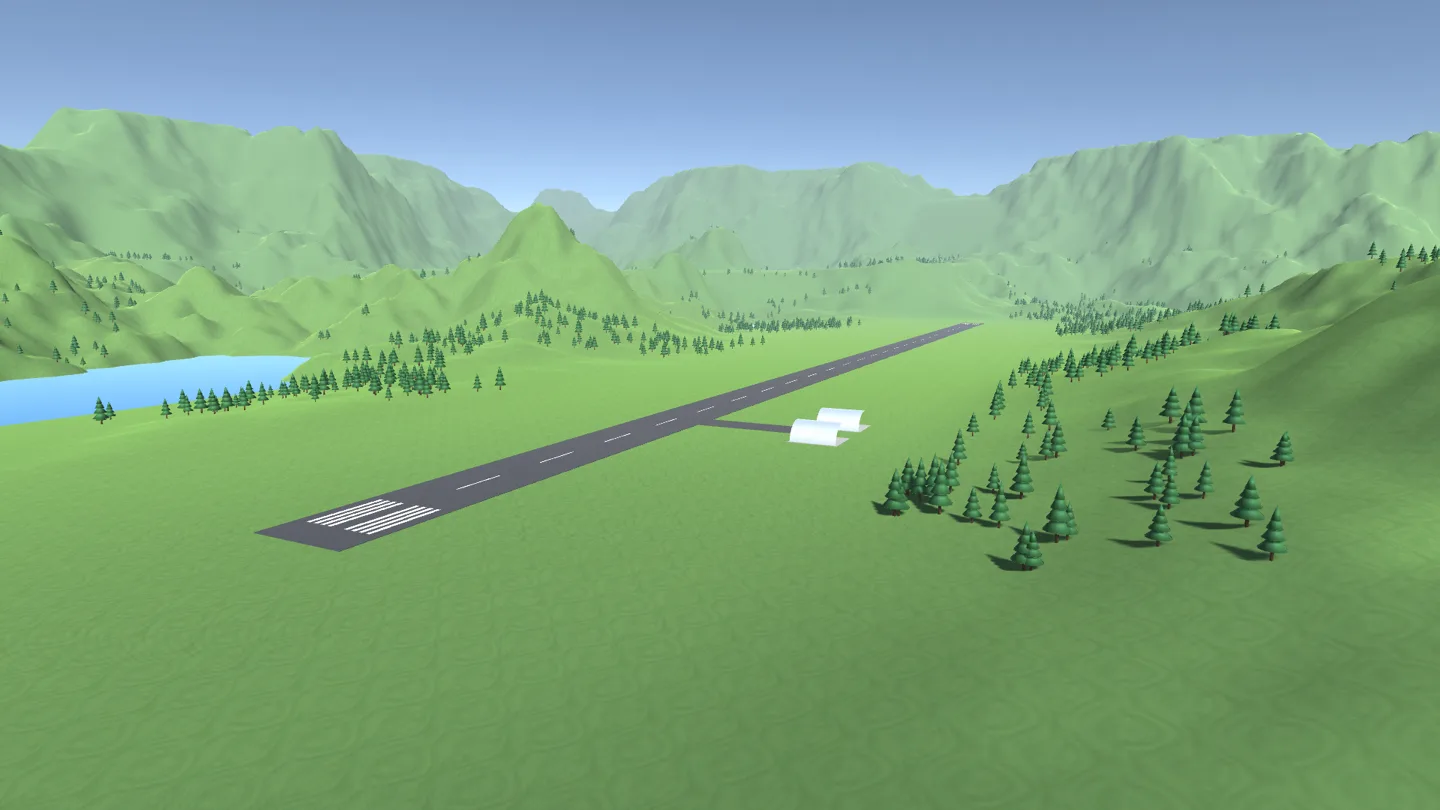
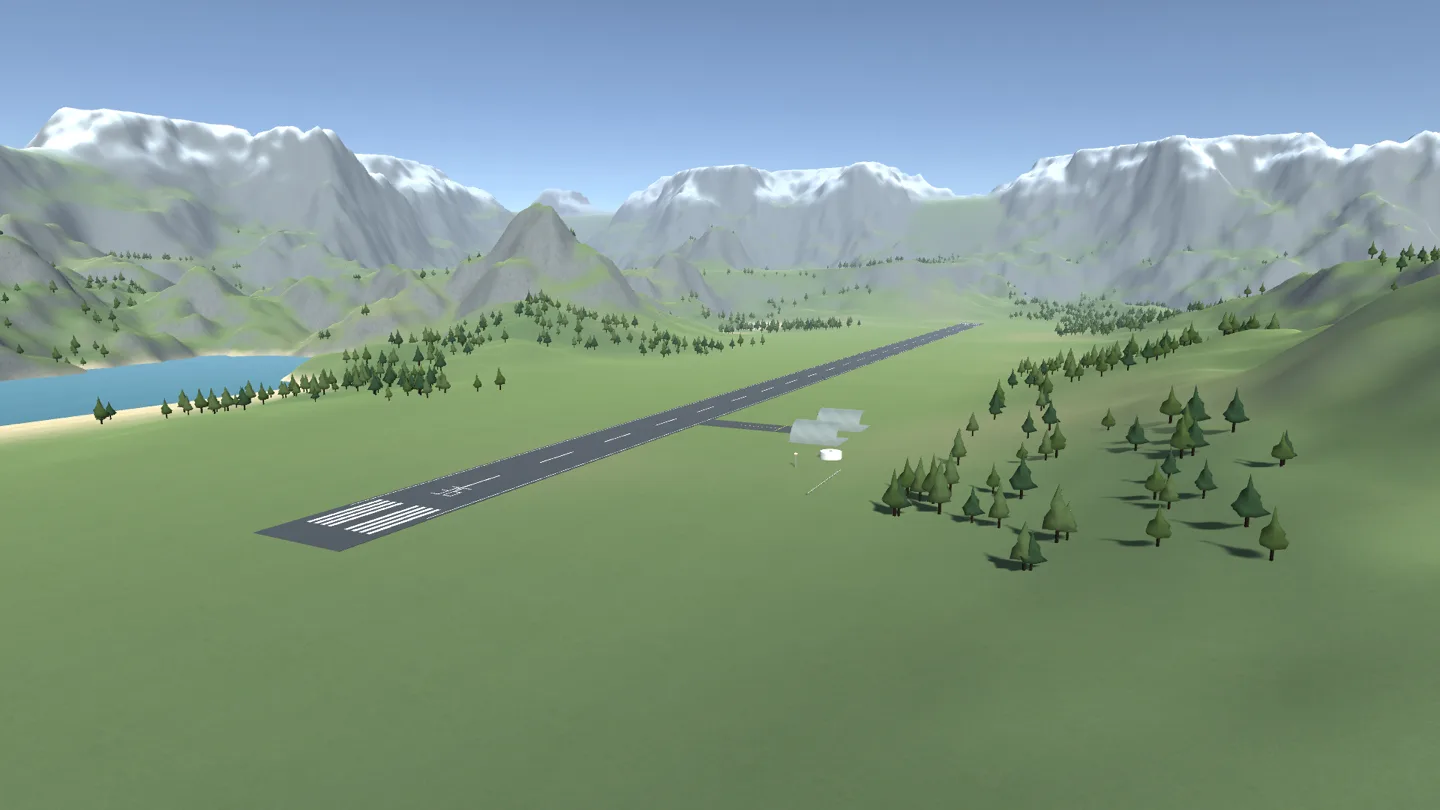
The same Flight Journeys airfield before and after a polish pass.
That gave me a repeatable process: make a change, regenerate the assets, rebuild the game, and inspect the results. I hadn’t suddenly become an expert in 3D modeling or game physics, but I could make meaningful progress without spending months learning every detail of unfamiliar tools. More importantly, I was having fun building things again.
Snowdrop Island
With a little more confidence, I turned my attention back to the girls. The result was Snowdrop Island, a cooperative adventure game starring Anna and Cora themselves.
Get Snowdrop Island on the App Store (opens in a new tab)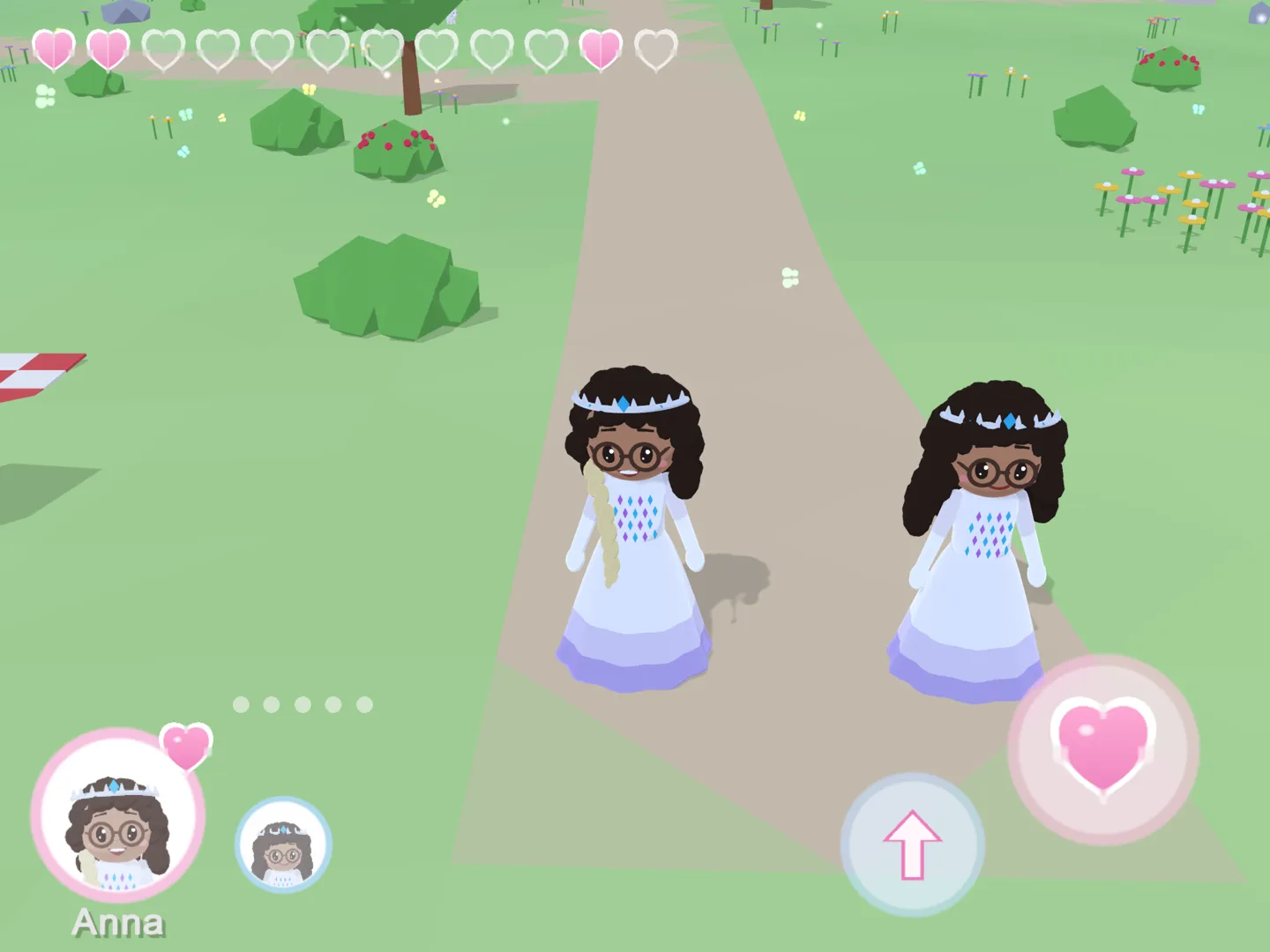
Anna and Cora on Snowdrop Island.
They explored an island, interacted with its inhabitants, solved problems, and worked together to progress through the story. I wanted cooperation to mean something. They needed to help each other, figure things out, and accomplish things as a team. There were no advertisements, purchases, or loot boxes, and cooperative play stayed on our local network, without public matchmaking or outside accounts.
I also wanted the game to have an ending. Like the Sierra adventures I’d grown up with, Snowdrop Island had a beginning, a middle, and a conclusion. Finishing the story didn’t mean the girls couldn’t play again, but they could reach a point where they’d completed the adventure. Watching them play as themselves in a game I’d created specifically for them was pretty special.
As much as they enjoyed the adventure, though, the girls still wanted the freedom to wander around, explore, and invent their own activities, which is what they’d loved about Roblox in the first place.
Anna & Cora’s World
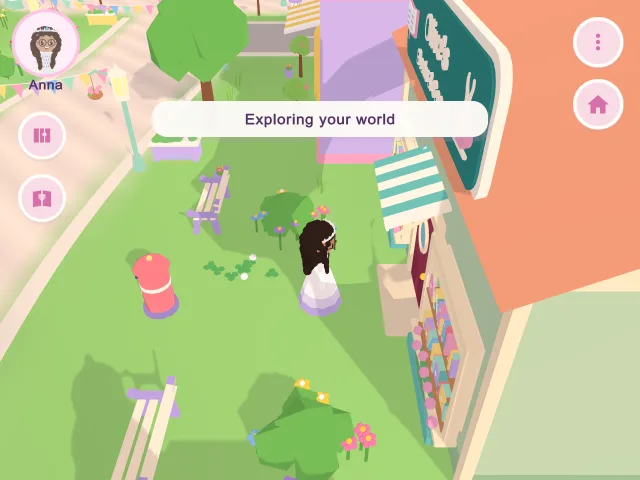
The next project became Anna & Cora’s World. Rather than another structured adventure, I wanted to create a place the girls could inhabit. A world where they could explore their neighborhood, drive cars, ride bikes, visit bookstores, interact with characters, and invent their own adventures.
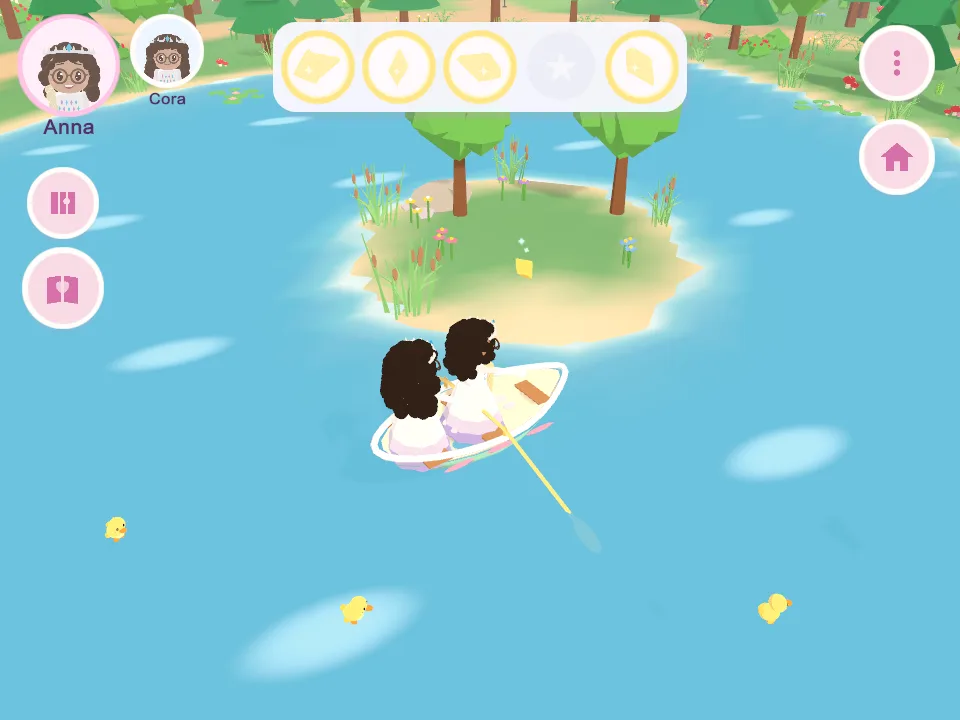
Anna and Cora rowing out together in Anna & Cora’s World.
There would still be stories, puzzles, and challenges to complete, but the world itself wouldn’t disappear when an adventure ended. It felt like a way to reconcile the games I’d loved as a child with the experiences my daughters enjoyed. They could finish an adventure, return to a familiar world, and find something else to do. No daily rewards, artificial scarcity, or purchases required. If they wanted to play, the world would be there. If they didn’t, nothing would be lost.
The technical side had also become considerably more sophisticated. The game now includes hundreds of models generated through Blender, with Unity assembling the environments and handling gameplay. One device hosts the world, and the others communicate over our local Wi-Fi network.
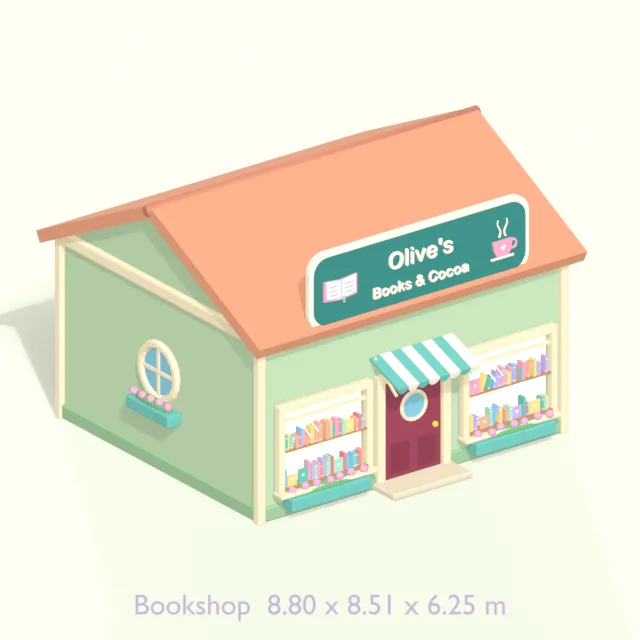
Olive’s bookshop as a generated Blender model, and in the game.
There’s a substantial amount of engineering behind that relatively simple experience, including automated tests and a repeatable build process. I’m writing a separate technical breakdown for anyone interested in how Blender, Unity, Python, Claude, and Codex work together.
I’ve written before about how AI helped me overbuild a tip calculator because nothing forced me to stop. Building games for the girls has been a different experience. This time, I had a reason to make something that mattered to me, and two very opinionated users who weren’t shy about telling me what they wanted.
My New Product Team
The girls have also started deciding what goes into their world. They come up with ideas for new places to visit, activities they’d like to try, and features they want added to the game. We sit down together, talk through their suggestions, and decide what makes sense to build and when. Some ideas make it into the next version, while others have to wait. They’ve even started writing requirements on paper.

The backlog: a teddy bear workshop, a movie theater, a cruise ship, a trampoline park, and a bigger bed for Mom and Dad.
After decades of working with product teams and managing competing priorities, I’m now discussing a product roadmap with two seven-year-olds. Their requirements arrive in handwriting instead of Jira tickets, and my two most demanding customers also happen to be my favorites.