a little about me
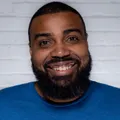
I knew I wanted to be a software engineer when I was twelve.
Growing up in Jamaica, I spent hours copying BASIC programs from Compute! magazine, changing bits of code just to see what would happen. I was hooked.
That curiosity eventually took me from writing software to teaching it and leading engineering teams. What I didn't appreciate at twelve was how much of my career would involve understanding people rather than computers.
Read my user's guideThe day it stopped being a hobby
One of the defining moments of my career came from a mistake. While building a payment-reminder application for a micro-lending organization in Jamaica, I accidentally sent notifications to more than a hundred real customers. Dozens showed up at the organization's office, worried about the status of their loans.
It was an uncomfortable lesson about the consequences of what we build. Software can behave exactly as instructed and still cause real problems for real people. I've carried that lesson with me ever since, particularly when thinking through the risks and tradeoffs behind technical decisions.
From building software to building teams
I've had the opportunity to work on some pretty interesting problems over the years, from studying software reuse in NASA flight control systems and working with NOAA and commercial satellite data to building software in civic technology, freight and logistics, investing, and home equity. The industries have changed, but one lesson has remained consistent: understanding the business problem matters just as much as understanding the technology.
Somewhere along the way, I also discovered that being a good engineer doesn't automatically make you a good engineering leader. Early in my career, I could disappear into technical problems for days, often at the expense of everything else. Moving into leadership forced me to confront some of those habits, learn to develop people rather than solve every problem myself, and recognize that building a healthy engineering organization requires more than technical expertise.
The engineer is still here
I've never stopped enjoying the act of building software. These days, that curiosity has taken me into AI-assisted development, independent products through Human Computer Sciences, and, more recently, building games for my daughters.
I've also rediscovered how much I enjoy writing, storytelling, and creative pursuits that sometimes took a back seat earlier in my career.
What matters to me now
I've found that I'm most comfortable leading engineering teams as an Engineering Manager or Director. I enjoy being close enough to the technical work to understand the challenges while having enough organizational influence to improve how teams operate. I'm not particularly interested in chasing bigger titles simply because they're the next step on the ladder.
What matters to me is building software that drives real business value, helping engineers grow, and leaving organizations healthier than I found them. Just as importantly, I want to keep learning, creating, and making time for the people who matter most to me. That last part took me longer to learn than it probably should have.
- 2024–present
Hometap
Engineering Manager → Director of Engineering
- 2022–2024
Grifin
Head of Engineering
- 2021–2022
Denim
Head of Engineering → Director of Engineering
- 2019–2021
BrightHive
Principal Systems Architect → VP of Engineering
- 2006–2019
Global Science & Technology
Engineering and technical leadership · Lead Software Engineer, Weather Group, 2013–2019
What I helped accomplish in each role: selected impact.
My interest in technology extends beyond the software I build and the teams I lead. Education has been an important part of my career, and lately, I've been spending more time thinking about how AI changes the way we teach and learn.
West Virginia University
Adjunct Instructor · M.S. in Software Engineering
I've taught in WVU's graduate software engineering program since 2012. Teaching gives me an opportunity to bring practical engineering experience into the classroom while staying connected to how the next generation of engineers approaches the discipline.
Hack.Diversity
Volunteer Mentor · 2024–2025
I served as a mentor with Hack.Diversity, a Boston nonprofit helping people from underrepresented backgrounds build careers in technology. I participated during the program's final two years, before the organization closed in 2025.
Elevated U
Advisory Board Member · AI & Education
I advise Elevated U on technology, with a particular focus on AI in K–12 education. We're exploring how schools and educators can responsibly adopt AI, including the guardrails needed to protect students, encourage critical thinking, and address safety and ethical concerns.
I believe AI has enormous potential in education. But access to powerful tools shouldn't come at the expense of developing the knowledge and judgment students need to think independently.
Looking for the structured version? See LinkedIn.